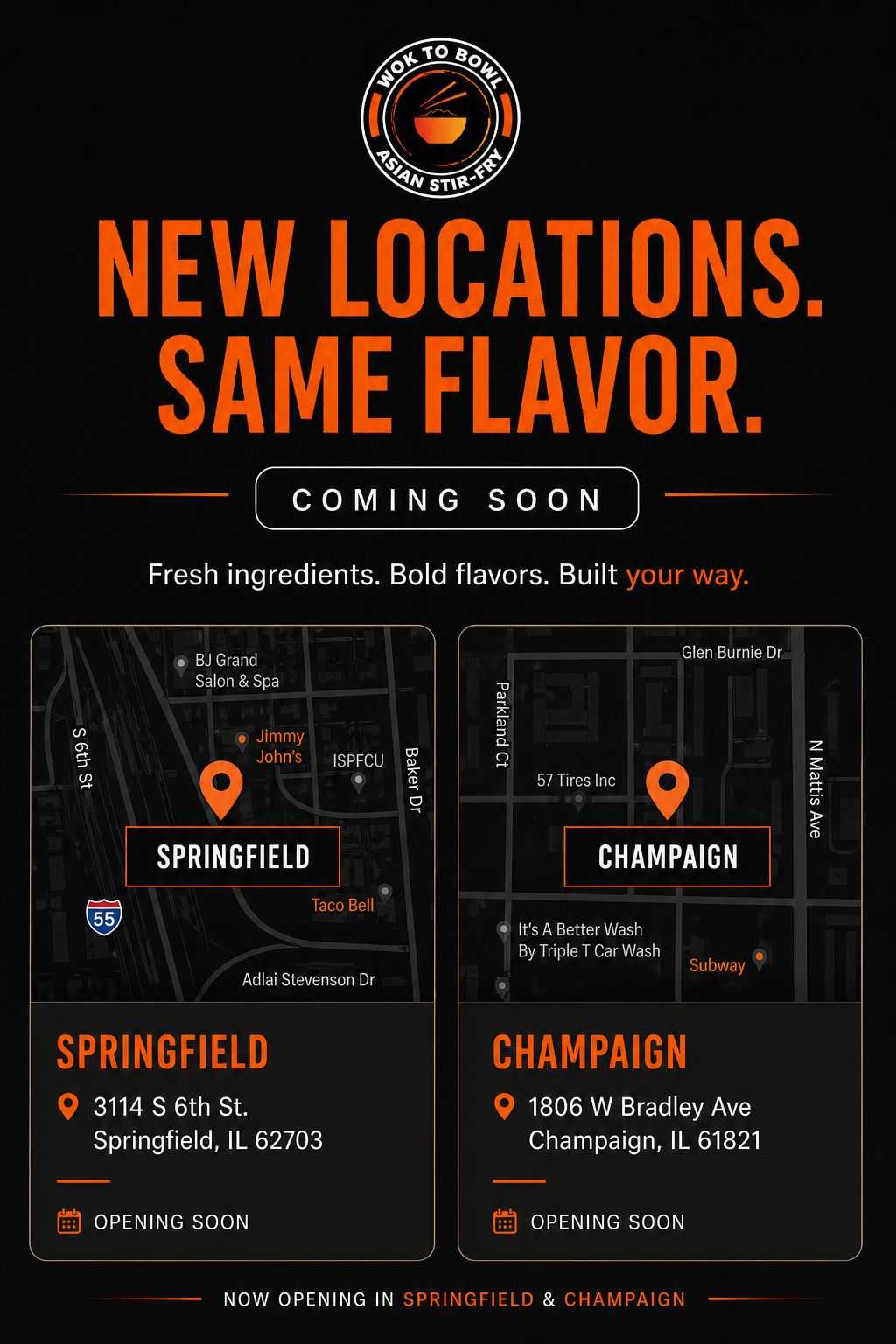
Rolling out 2 more locations
In a world where personalization is king, food is no exception. DIY bowls are fast becoming a favorite among foodies, home cooks, and health-conscious eaters. They’re fast, customizable, and a great way to explore different cuisines—from Thai to Japanese, Korean to Chinese—all in one dish.
Rice, Noodles, Greens, and Grain Options
Every great bowl starts with a solid base. In Asian fusion cuisine, the options are vast:
Each base brings its own flavor and texture, and the key is selecting one that complements your protein and toppings.
For optimal nutrition, combine fiber-rich grains with lighter greens. Think brown rice with sautéed bok choy or soba noodles with shredded purple cabbage. Texture plays a big role—mix soft rice with crunchy slaw for a satisfying bite.
Options Like Tofu, Chicken, Beef, Seafood
Protein is the heart of your bowl. Here are some versatile options to consider:
Marinades can elevate your bowl from good to gourmet. Try:
Let proteins marinate for at least 30 minutes to allow flavors to seep in.
Raw, Roasted, Pickled, and Sautéed Choices
Vegetables add nutrition, color, and crunch. Mix up textures and cooking methods:
A good mix of veggies brings complexity and visual appeal to your bowl.
Layering Techniques for Visual and Taste Appeal
Start with the base, then layer your protein, followed by vegetables. Drizzle sauces last and top with herbs or seeds. This layered look isn’t just Instagram-friendly—it keeps each bite exciting.
Creating Asian-Inspired Sauces from Scratch
The sauce is where the fusion magic happens. Make your own for maximum control over flavor and nutrition. Popular options include:
These sauces blend elements from multiple Asian cuisines, making them ideal for fusion cooking.
Pairing Sauces with Ingredients for Harmony
Match sauce to your ingredients. A rich peanut sauce pairs well with grilled tofu and veggies, while a soy-ginger glaze works with salmon and soba noodles. For spicy heat, add a drizzle of homemade sriracha or chili crisp oil.
Crunchy Bits, Fresh Herbs, Citrus Zests
Toppings are the personality of your bowl. Add contrast and flair with:
These finishing touches brighten the bowl and enhance complexity.
Flavor Boosters Like Chili Oil, Sesame, and Miso
Consider flavor boosters like:
Add sparingly for that extra punch.
Stir-Frying, Grilling, Steaming, Marinating
Asian fusion bowls benefit from various quick cooking methods:
Most components can be cooked in 30 minutes or less, making DIY bowls perfect for weeknight meals.
Meal Prep Tips for Busy Schedules
Pre-cook your grains, chop veggies, and marinate proteins in advance. Store components in separate containers and assemble your bowl fresh. This saves time and allows for mix and-match creativity throughout the week.
Matching Flavors and Textures to Personal Taste
Build your own Asian bowl based on your mood or dietary needs. Feeling bold? Try a Korean-Japanese mashup with gochujang-glazed salmon, soba noodles, and pickled daikon. Prefer light and fresh? Mix lemongrass tofu, brown rice, and crisp veggies with lime-miso dressing.
Rotating Seasonal Ingredients and New Combos
Seasonal produce keeps your bowls exciting. In spring, use asparagus and peas. Summer calls for fresh herbs and mango. Fall welcomes roasted squash and sesame. Winter is perfect for hearty mushrooms and warming spices.
What’s the best base for a fusion bowl?
Can I meal prep DIY bowls for the week?
How do I choose a balanced combination?
Are there vegan or gluten-free options?
Encouragement to Explore and Experiment
There’s no single “right way” to build an Asian fusion bowl—only the way that suits your taste, mood, and curiosity. DIY bowls are your playground for culinary creativity.
The Joy of Making Meals That Reflect You
Whether you're a seasoned cook or just getting started, crafting your own bowl is an invitation to blend tradition with innovation. Explore your pantry, follow your instincts, and build your own Asian bowl that’s uniquely yours.
Leave a comment below...